


Camping in the Remote Tundra of Tuktut Nogait National Park in Northwest Territories
Camping in the Remote Tundra of Tuktut Nogait National Park in Northwest Territories
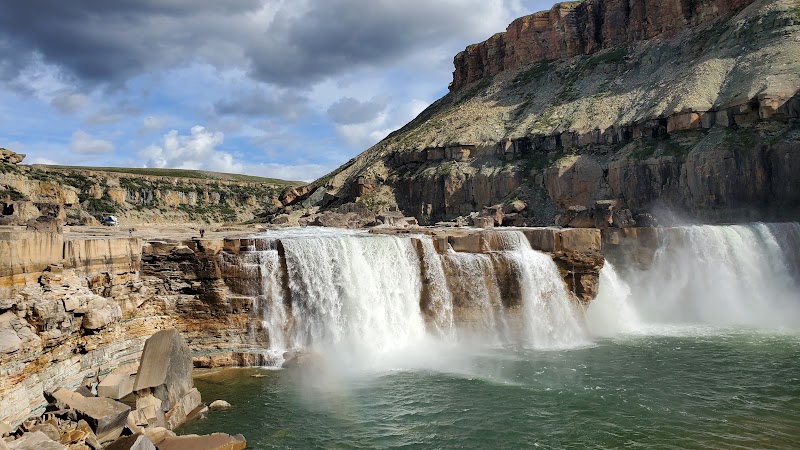
Tuktut Nogait National Park offers one of the most isolated camping experiences in Canada, located in the Arctic tundra of the Northwest Territories. This untouched wilderness is known for its dramatic river canyons, vast rolling plains, and rich populations of wildlife, including caribou and rare birds of prey. Due to its remoteness, camping here requires careful planning, but it rewards adventurers with stunning landscapes, absolute solitude, and deep cultural history tied to the Inuvialuit people.
Adventure Guide To Camping in the Remote Tundra of Tuktut Nogait National Park
1. Canoe Camping Along the Hornaday River
Camping along the Hornaday River offers an unparalleled experience of Arctic landscapes and wildlife. The river cuts through deep canyons, creating breathtaking cliffside camp spots. Paddlers will encounter pristine waterfalls, clear fishing waters, and potential sightings of muskoxen. The river is prone to swift currents, so only experienced paddlers should attempt multi-day trips here.
2. Backcountry Camping at Seven Islands Lake
Seven Islands Lake is an ideal location for those seeking a tundra camping experience away from the high winds of open plains. The lake provides a fresh water source, with opportunities to see peregrine falcons nesting on nearby cliffs. As a traditional Inuvialuit hunting area, campers can find ancient tent rings and evidence of past Indigenous use.
3. Remote Wilderness Camping in Brock River Canyon
Brock River Canyon is one of the most dramatic landscapes in the park, featuring towering rock faces and deep valleys. The area offers no established campsites, meaning visitors must practice Leave No Trace camping. Hikers can witness caribou migrations and explore stunning geological formations sculpted by ice and wind over thousands of years.
Local Insights
- The park is an important cultural site for the Inuvialuit, who have lived in the region for centuries.
- No official trails exist, meaning navigation skills are essential.
- Wildlife sightings, including arctic wolves and wolverines, are common due to the region's untouched habitat.
Visitor Tips
- Best time to visit: July to early September for mild weather and minimal snow.
- Important gear: GPS, satellite phone, bear-proof food containers, and layered clothing for unpredictable weather.
- Access: Fly from Inuvik or Paulatuk via chartered bush plane. Travel permits from Parks Canada are required.
Adventure Map
Reviews