


Paddling the Vast, Wild Waters of Great Slave Lake in Northwest Territories
Paddling the Vast, Wild Waters of Great Slave Lake in Northwest Territories
Introductory Overview
Great Slave Lake, the deepest lake in North America, offers an unparalleled paddling experience with its vast open waters, rugged shoreline, and remote beauty. Stretching over 27,000 square kilometers, this pristine lake presents both challenges and rewards. Paddlers can navigate calm bays, venture into expansive waters, or explore rivers feeding into the lake. Strong winds and sudden weather shifts require careful planning, making this an adventure best suited for experienced paddlers or guided excursions. Wildlife such as moose, black bears, and bald eagles are commonly sighted, and the lake’s crystal-clear waters reflect the untouched wilderness of the Northwest Territories.
Adventure Guide to Paddling the Vast, Wild Waters of Great Slave Lake
East Arm – The Ultimate Wilderness Experience
- Location: The East Arm of Great Slave Lake is a prime destination for remote paddling, accessible from Yellowknife by floatplane or boat.
- What Makes It Special: Towering red rock cliffs rise from the water, creating breathtaking scenery. The East Arm is part of Thaidene Nëné National Park Reserve, home to rich Indigenous cultural history and excellent fishing.
- Key Features: Remote campsites, opportunities for multi-day trips, and encounters with Arctic grayling and lake trout.
Yellowknife Bay – Best for Day Paddling
- Location: Located near Yellowknife, this is an easily accessible area for paddlers.
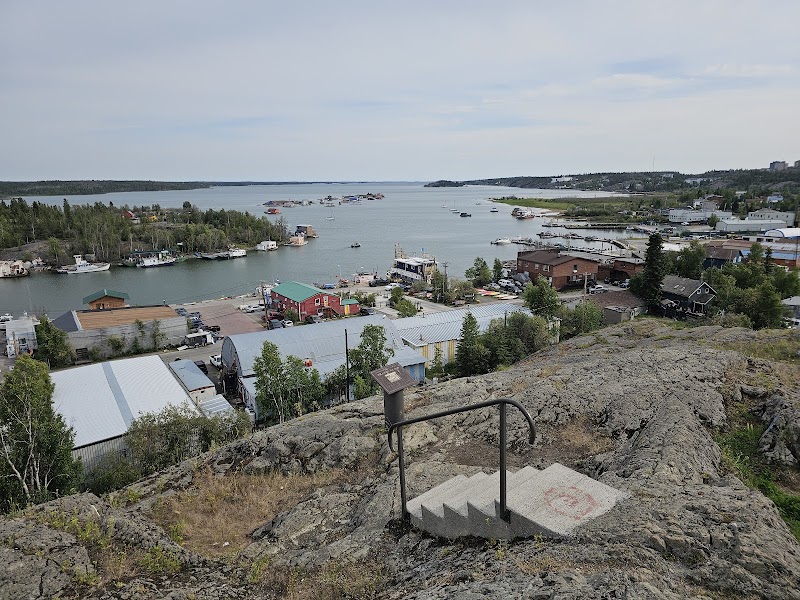
- What Makes It Special: Sheltered waters, houseboats, and views of the city’s Old Town make this a great spot for beginners or casual paddlers.
- Key Features: Kayak and canoe rentals available, guided tours for those new to the area, and potential sightings of northern lights in late summer.
Mackenzie Bison Sanctuary Route
- Location: South of Great Slave Lake, where the Mackenzie River flows out.
- What Makes It Special: A unique route through calm waters, with bison herds often visible along the shores.
- Key Features: Smooth paddling conditions, river-fed channels, and rich Indigenous history.
Local Insights
- The Dene people have lived around Great Slave Lake for generations, using these waters for transportation, fishing, and cultural traditions.
- Winter paddling is not possible, but the frozen lake transforms into a route for ice roads and snowmobiling.
Visitor Tips
- Best Time to Visit: June to September offers the best conditions. Late August provides a chance to see aurora borealis over the lake.
- What to Bring: Dry bags, navigation tools (GPS or maps), extra layers, and emergency communication devices. Strong winds can pick up suddenly, so spray skirts are recommended for kayaks.
- Directions: From Edmonton, drive 15 hours north to Yellowknife or fly directly. For remote areas like the East Arm, charter flights are necessary.
Adventure Map
Reviews
Victor Wong8 years ago
A very big lake covered with thick ice. We saw the most beautiful sunset in the lake.
Lou Binar5 months ago
The beach is not as spectacular now…it needs some upkeeping!
Steve Seely4 years ago
In the winter, a great place to go to see the northern lights. In the summer, it is the center of activity in Yellowknife.
Devon Boorman6 years ago
Getting out onto the lake in a canoe or kayak is a treat. Especially if you launch out of Yellowknife and get to canoe by the house boats.
Noah Von Dauber5 months ago
Beautiful lake